
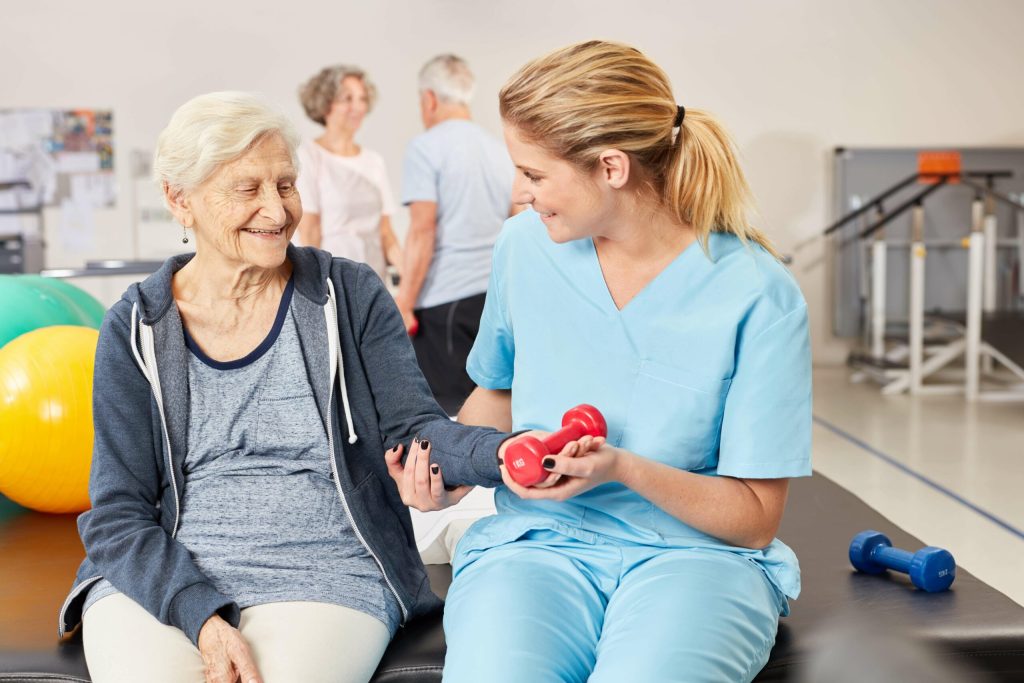
Individuals with Physical Disabilities
Conditions such as fractures, amputations, nerve injuries, strokes, brain or spinal cord injuries, and burns.
Children in Rehabilitation
Those with learning disabilities, cerebral palsy, autism, developmental delays, or intellectual disabilities.

Psychiatric Patients
Psychiatric Patients





Self-Care and Daily Living Skills Training
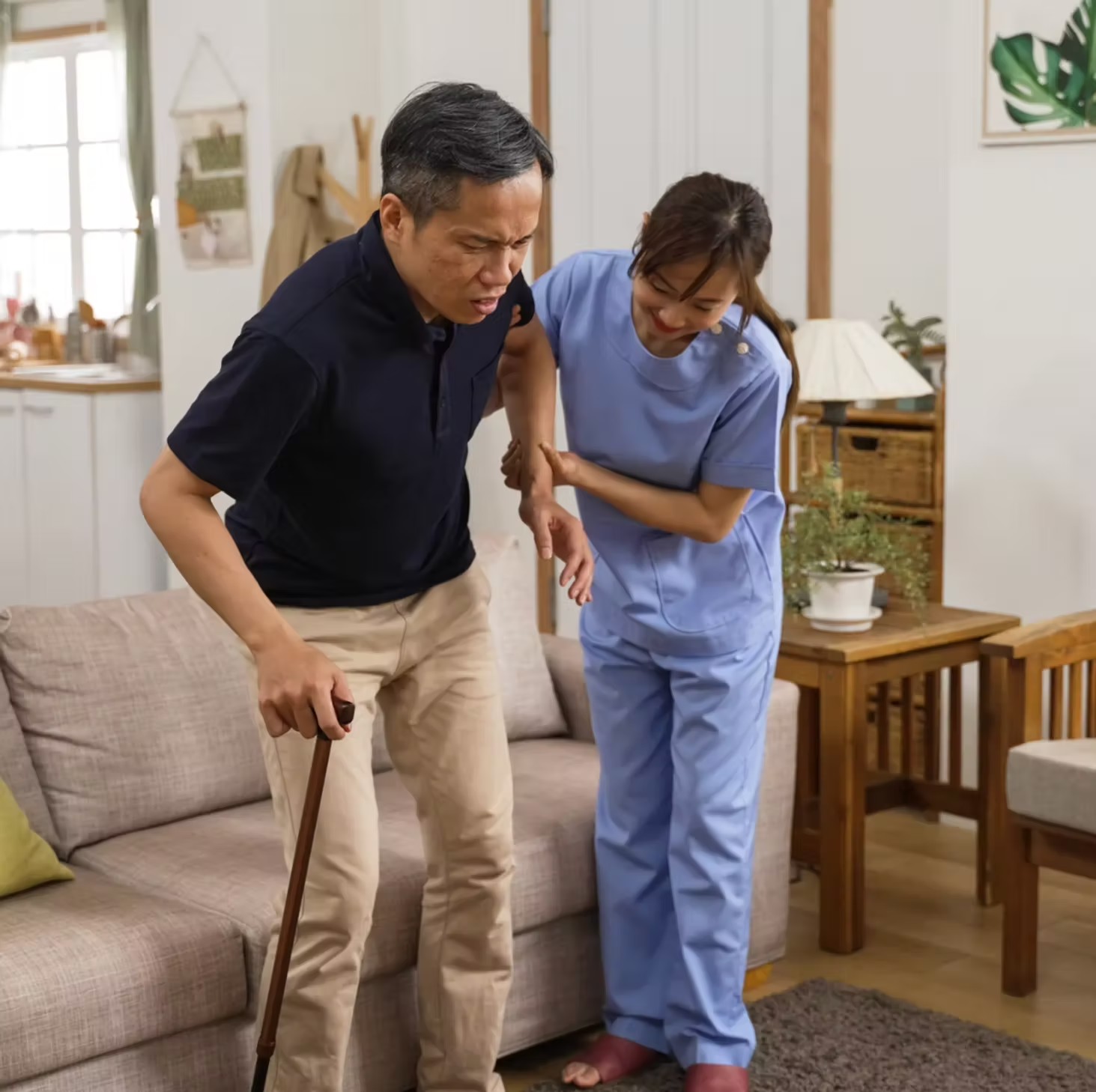
Assess and train individuals in self-care abilities such as eating, grooming, dressing, and toileting to enhance their independence in daily life.

Cognitive Function Assessment and Training
Evaluate and train skills such as memory, attention, and executive functions to help maintain or improve cognitive abilities.
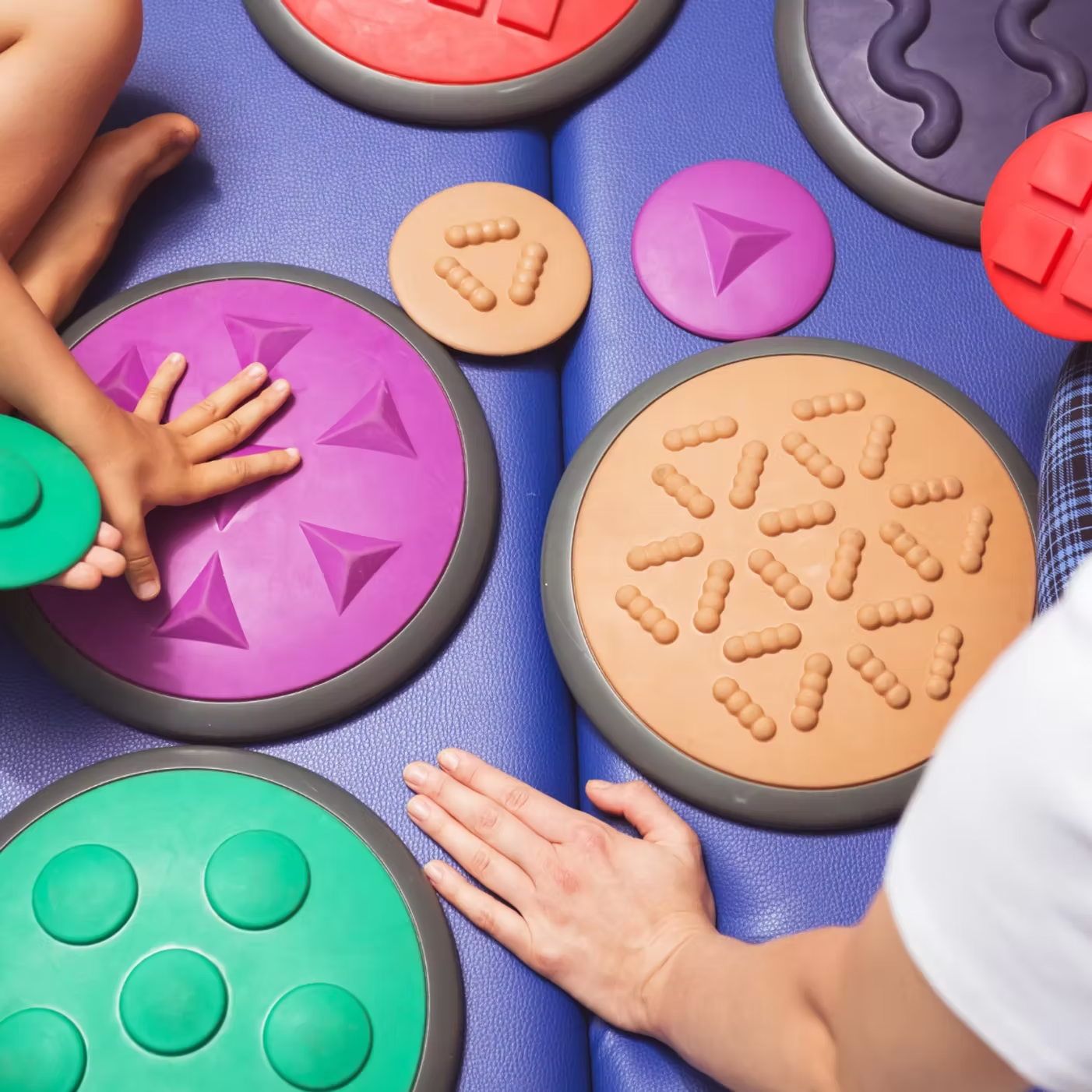
Sensory Integration Therapy
Use various sensory stimuli to help children process sensory information effectively, improving motor coordination and cognitive functions.
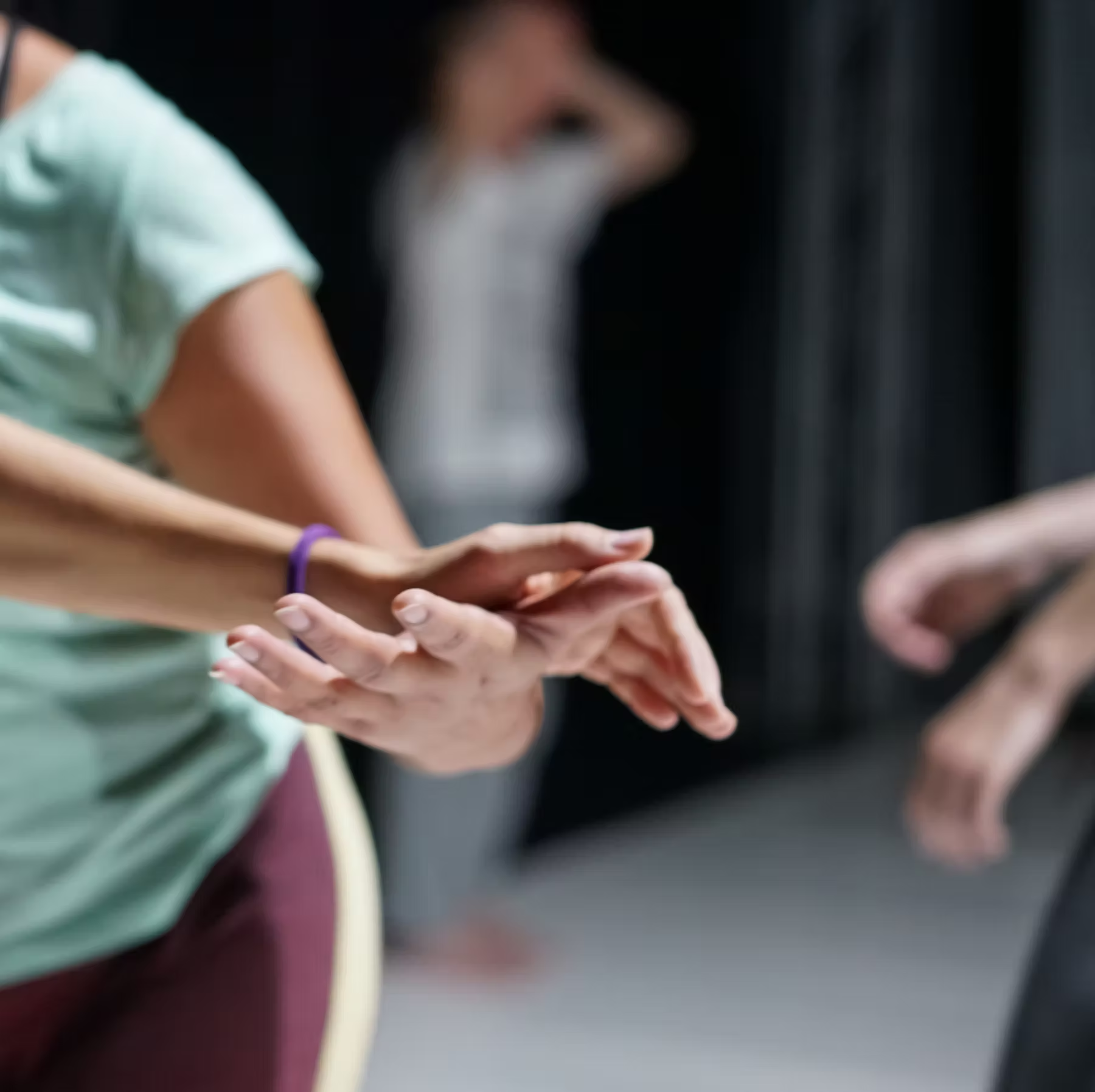
Hand Function Assessment and Training
Assess and train hand dexterity, fine motor skills, and writing abilities to enhance hand functionality.
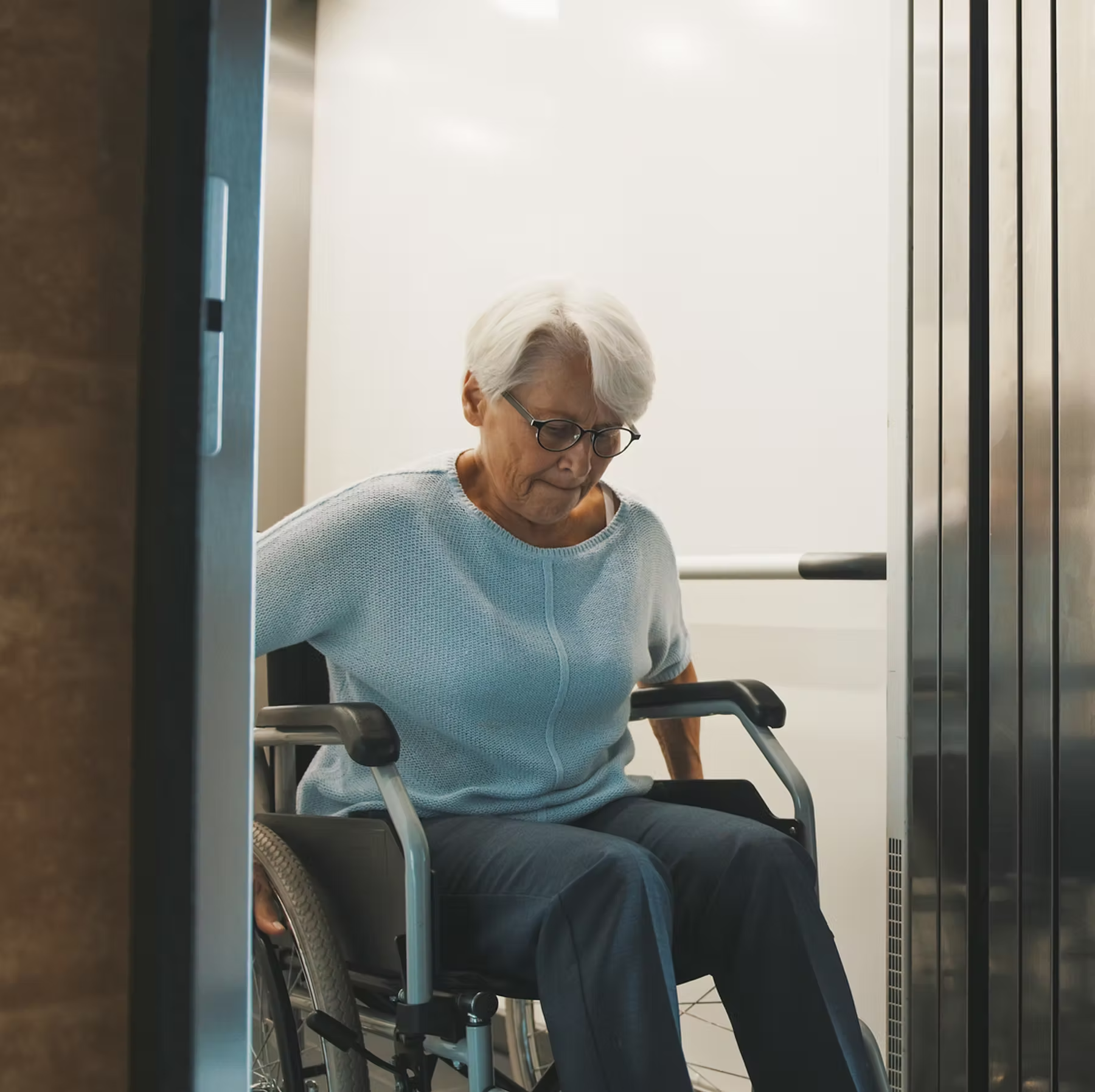
Assistive Device Recommendations and Training
Provide recommendations for assistive devices such as wheelchairs or feeding aids based on individual needs, and guide proper usage.
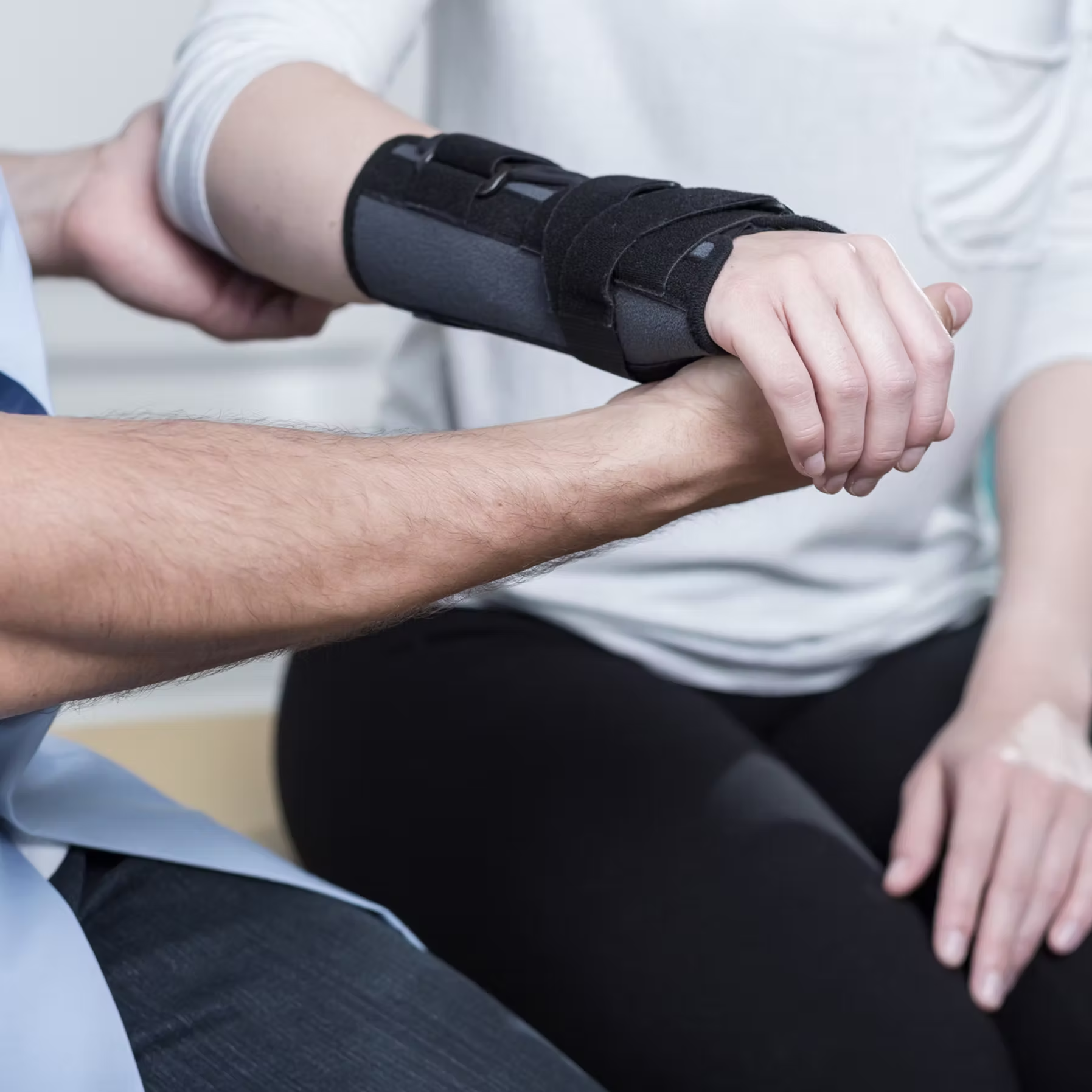
Vocational Rehabilitation and Work Training
Offer occupational assessments and work skills training to help individuals return to the workplace.

Emotional and Behavioral Management
Assess and intervene in emotional and behavioral issues to help individuals regulate emotions and improve behavior.
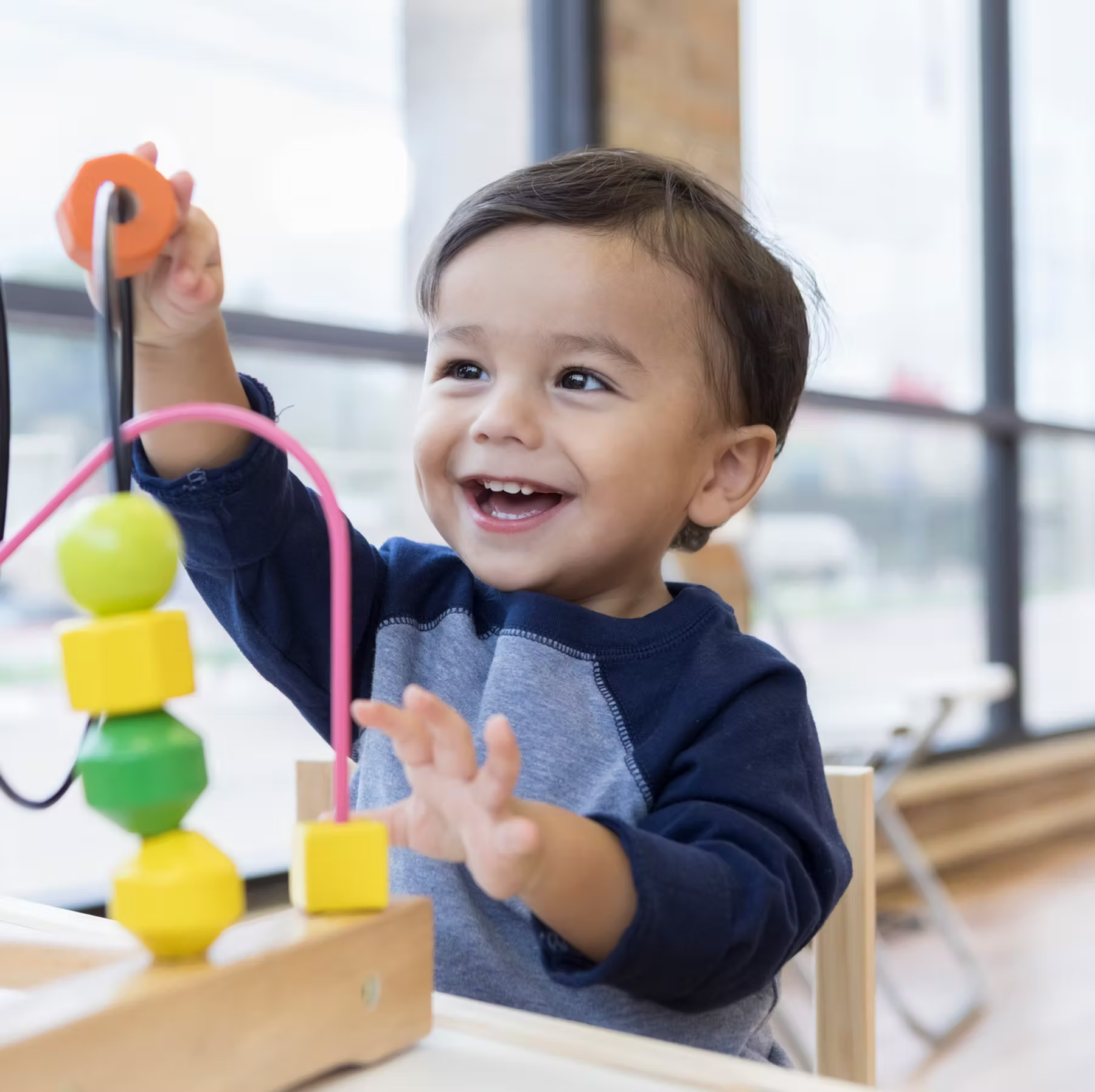
Child Development Assessment and Training
Provide assessments and training in sensory integration, visual perception, and hand function tailored to children's developmental needs, helping them adapt to learning and daily life.
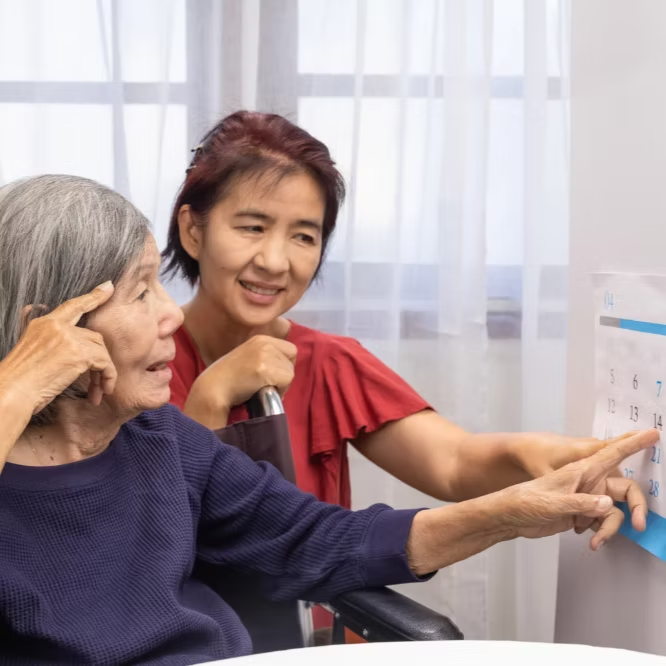
Elderly Cognitive and Self-Care Training
Offer cognitive function and daily living skills training for the elderly to enhance self-care abilities and delay deterioration.