Sleep-Disordered Breathing (SDB) is a category of abnormal breathing conditions during sleep, including Obstructive Sleep Apnea (OSA), Central Sleep Apnea, and other hypoventilation phenomena. OSA is characterized by partial or complete upper airway obstruction during sleep, leading to apnea or shallow breathing, affecting sleep quality and causing various health problems.
The severity of sleep-disordered breathing is often underestimated, but the complications it can cause are quite extensive. Long-term untreated sleep-disordered breathing may lead to hypertension, cardiovascular disease, increased stroke risk, and metabolic problems such as diabetes. Additionally, daytime sleepiness, difficulty concentrating, and emotional problems are common, seriously affecting quality of life and work performance.
Obstructive Sleep Apnea (OSA) is the most common type. Major risk factors include obesity, large neck circumference, advancing age, male gender, and anatomical abnormalities such as enlarged tonsils or receding jaw.
Typical Symptoms Include:
Loud snoring
Breathing pauses
Frequent nighttime awakenings
Morning headaches
Dry mouth
Diagnosis typically requires polysomnography (PSG) or home sleep apnea testing.
Typical Symptoms Include:
Loud snoring
Breathing pauses
Frequent nighttime awakenings
Morning headaches
Dry mouth
Diagnosis typically requires polysomnography (PSG) or home sleep apnea testing.
The airway remains fully open during sleep, and breathing is smooth and quiet.
Primary Snoring
The airway becomes slightly narrowed. Soft tissues vibrate and produce snoring sounds, but breathing continues normally.
Upper Airway Resistance Syndrome (UARS)
The airway becomes noticeably narrowed. Breathing requires more effort, which disrupts sleep quality.
Mild OSA
The airway becomes intermittently obstructed, leading to brief episodes of breathing pauses or reduced airflow.
Moderate OSA
The airway collapses more frequently, causing drops in blood oxygen levels and fragmented sleep.
Severe OSA
The airway repeatedly collapses significantly, posing serious risks to cardiovascular health and overall well-being.
Increasing Severity
Orofacial Myofunctional Therapy (OMT) as an Important Adjunctive and Integrative Therapy
The mechanism of action is to strengthen the Upper Airway Dilator Muscles, such as the tongue muscles, tensor veli palatini, and pharyngeal constrictors. Clinical research confirms that OMT can:
Orofacial Myofunctional Therapy (OMT) as an Important Adjunctive and Integrative Therapy
The mechanism of action is to strengthen the Upper Airway Dilator Muscles, such as the tongue muscles, tensor veli palatini, and pharyngeal constrictors. Clinical research confirms that OMT can:
We Adhere to an Interdisciplinary Collaborative Model
Collaboration Core: Based on speech-language pathologists’ orofacial myofunctional assessment, working closely with dental surgeons, ENT doctors and occupational therapist, etc.
high Integrated Care Pathway
Self-Screening
Identify sleep, breathing, or concentration issues.
Joint Assessment
Comprehensive evaluation by our multidisciplinary team.
Professional Partners
Collaboration with Dental Surgeons, ENTs, Pediatricians, and Occupational Therapists.
Integrated Treatment
Coordinated structural, airway, and developmental care.
Long-term Maintenance
Continuous monitoring and family support
Sleep coaching and behavioural support
Develop personalized sleep strategies and lifestyle guidance
Professional Responsibilities of Speech-Language Pathologists in OMT
According to the American Speech-Language-Hearing Association (ASHA) definitions and professional guidelines, Speech-Language Pathologists (SLPs) play an important role in OMT:
Slide 1
Conduct detailed structural and functional assessments, including orofacial muscle coordination, tongue position, mouth and nasal breathing patterns, and impact on swallowing and speech functions
Slide 2
Identify and treat speech articulation abnormalities (such as interdental lisp with tongue thrust), dysphagia, and respiratory disorders caused by Orofacial Myofunctional Disorders (OMDs)
Slide 3
Use myofunctional training intervention strategies to actively "retrain" the tongue, lips, and facial muscles to improve muscle strength, coordination, and function, promoting normal breathing, swallowing, and speech expression
Slide 3
Collaborate with multidisciplinary teams (physicians, dentists, ENT specialists, occupational therapists, etc.) to provide integrated treatment recommendations and rehabilitation plans based on structural or physiological problems
Slide 3
Educate parents and caregivers, providing ongoing guidance and home exercise programs to ensure therapeutic consolidation and long-term improvement
Slide 3
Based on individual patient needs, develop treatment plans and goals that meet evidence-based medicine standards, track and evaluate treatment outcomes, and adjust intervention strategies
Real Stories
"Initially I was just worried about my son's dental alignment, but after being referred by our dentist for orofacial myofunctional therapy, I discovered he had been mouth breathing all along. After receiving orofacial myofunctional therapy for a period of time, he gradually learned to breathe through his nose, his mouth naturally closed, and his bite improved significantly. Most happily, he sleeps better now, and even his teacher says his concentration has improved."
Ethan Lee, 6 years oldParent Testimonial
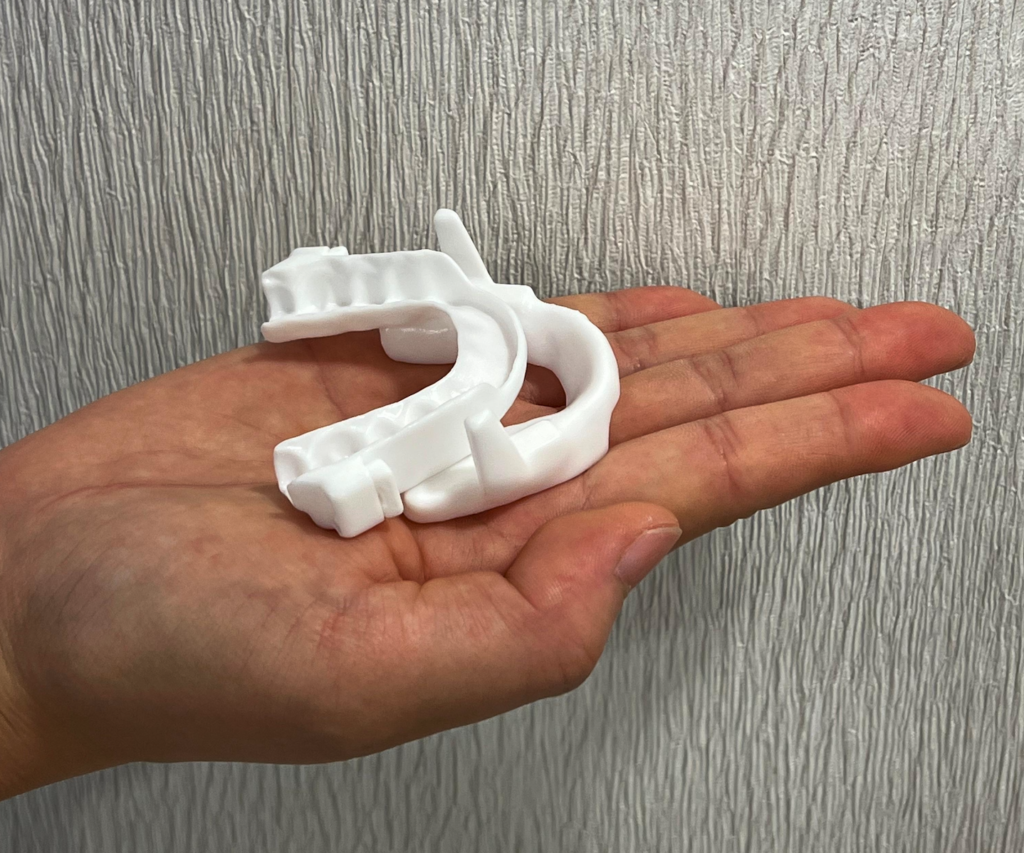
"I've actually had mild to moderate sleep apnea issues all along. It wasn't until my dentist fitted me with a sleep appliance and combined it with orofacial myofunctional training that my sleep improved tremendously. I wake up energized in the morning and don't fall asleep just sitting there anymore."
Julie Chu, 50 years oldAdult Testimonial
"I've been using CPAP for twenty years now. Honestly, the results have always been mediocre—sometimes the mask is uncomfortable, sometimes I wake up with dry mouth. Recently my doctor suggested I add orofacial myofunctional training. Initially I was skeptical, worried I couldn't do it. The therapist was very patient, teaching me to slowly practice breathing and tongue movements. At first it was really hard to get used to, but after persisting for a few months, I feel more energized in the morning. My family says I'm not as noisy when I sleep anymore. Thanks to the care of the treatment team."
Ben Lai, 60 years old, longtime CPAP userAdult Testimonial