

Occupational Therapy

What is Occupational Therapy?

Occupational therapy is a professional service that helps individuals regain independence in their daily lives. When a person experiences physical, psychological, developmental, or social functional impairments due to accidents or illnesses, occupational therapists design targeted activities to assist them in improving self-care abilities and reintegrating into their family, work, and community life.

This therapeutic approach focuses on practical goals, with the ultimate aim of enhancing the individual’s overall quality of life, enabling them to lead a more meaningful and independent life.

Who Needs Occupational Therapy?

Individuals with Physical Disabilities

Conditions such as fractures, amputations, nerve injuries, strokes, brain or spinal cord injuries, and burns.

Children in Rehabilitation

Those with learning disabilities, cerebral palsy, autism, developmental delays, or intellectual disabilities.

Psychiatric Patients

Psychiatric Patients
Service Scope

Psychological

We provide sleep counseling and CBT for insomnia, improve emotional and psychological factor contributing to sleep quality.

Environment

We assass environmental factors and suggest environmental changes or different aids to facilitate sleep improvement.

Behavioral

We suggest and design life style changes, modify pre-sleep behavior and sleep routine for improvement of sleep quality.

Definition of Insomnia

Insomnia is defined as experiencing at least one of the numbered conditions (1/2/3) combined with at least one of the lettered conditions (a/b) despite having adequate opportunity to rest. These symptoms must occur three or more times a week and persist for over three months.
*Reference: American Academy of Sleep Medicine [ICSD-3]

Don’t worry! Sleep needs vary from person to person. Sleep quality is actually much more important than sleep duration.

Causes of Insomnia

Sleep Wellness Program includes:

Sleep Assessment

Relaxation Techniques Practice

Cognitive Behavioral Program

Other Improvement Programs

9 Non-Medication Approaches for Better Sleep:

  1. Optimize the sleep environment
  2. Adjust the pace of life
  3. Modify pre-sleep behaviors
  4. Reshape sleep routines
  5. Cognitive Behavioral Therapy (CBT)
  6. Strengthen sleep knowledge
  7. Utilize relaxation techniques
  8. Neurofeedback training
  9. Regulate emotional factors

Our Services

Self-Care and Daily Living Skills Training

Assess and train individuals in self-care abilities such as eating, grooming, dressing, and toileting to enhance their independence in daily life.

Cognitive Function Assessment and Training

Evaluate and train skills such as memory, attention, and executive functions to help maintain or improve cognitive abilities.
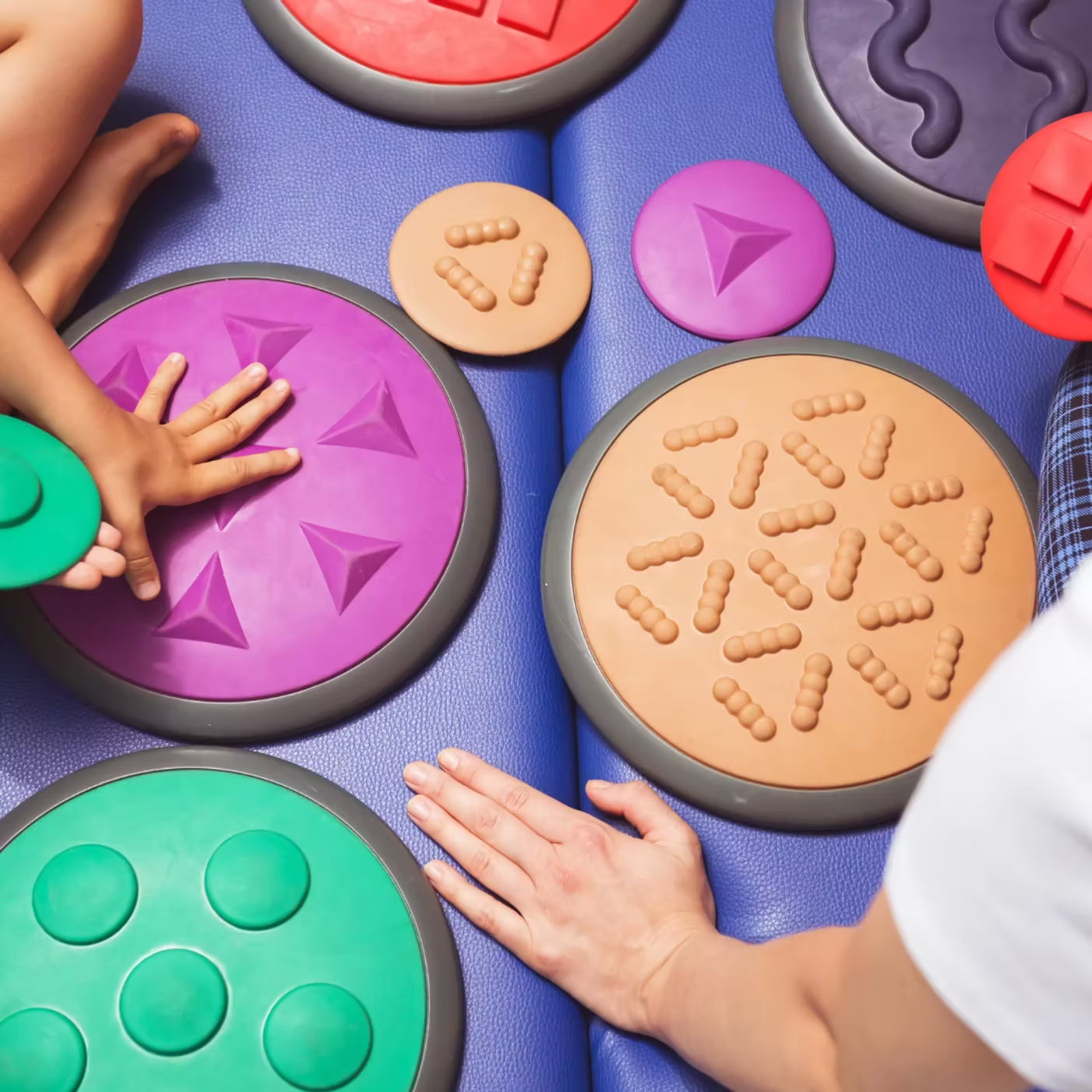
Sensory Integration Therapy

Use various sensory stimuli to help children process sensory information effectively, improving motor coordination and cognitive functions.

Hand Function Assessment and Training

Assess and train hand dexterity, fine motor skills, and writing abilities to enhance hand functionality.
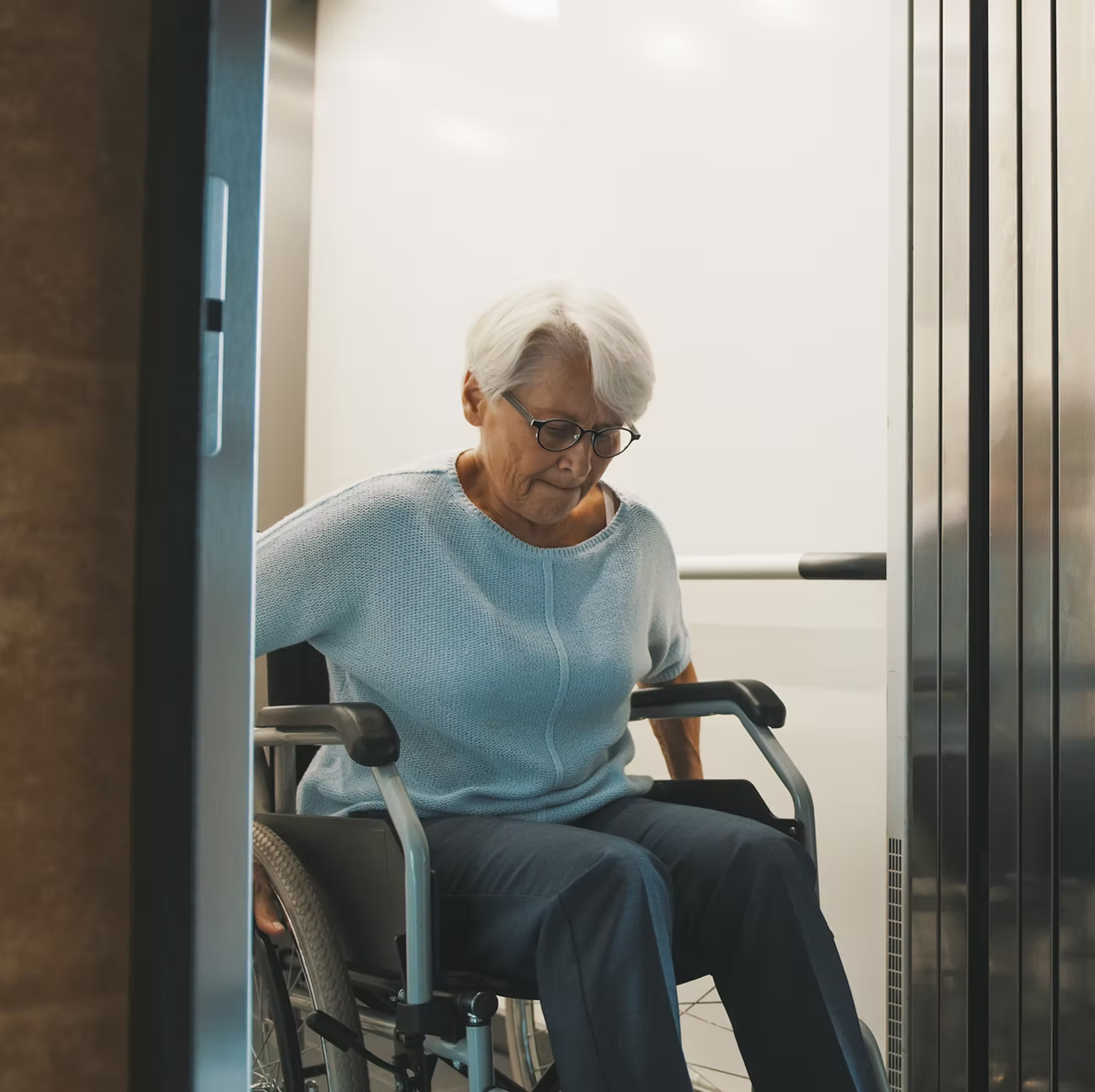
Assistive Device Recommendations and Training

Provide recommendations for assistive devices such as wheelchairs or feeding aids based on individual needs, and guide proper usage.
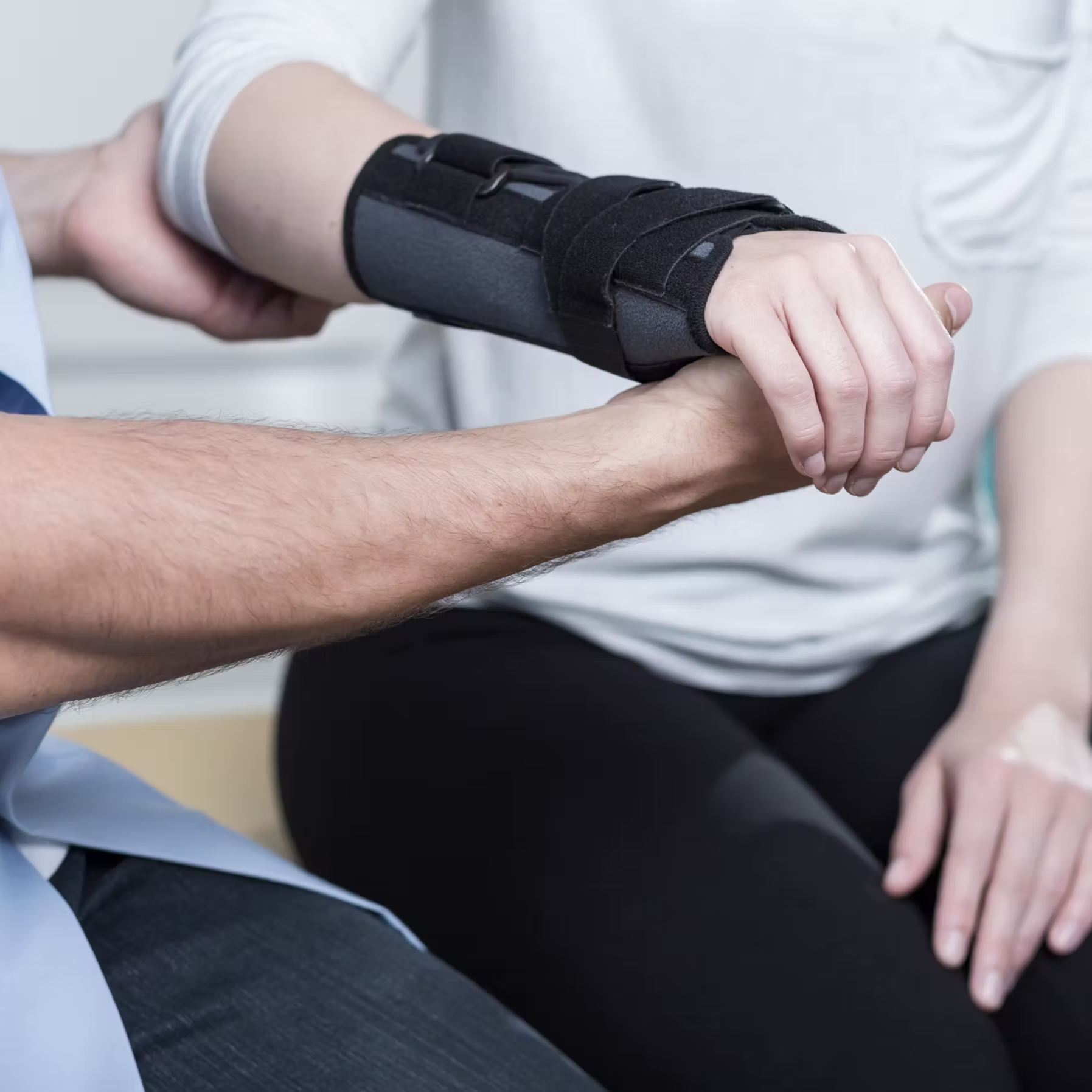
Vocational Rehabilitation and Work Training

Offer occupational assessments and work skills training to help individuals return to the workplace.

Emotional and Behavioral Management

Assess and intervene in emotional and behavioral issues to help individuals regulate emotions and improve behavior.

Child Development Assessment and Training

Provide assessments and training in sensory integration, visual perception, and hand function tailored to children's developmental needs, helping them adapt to learning and daily life.
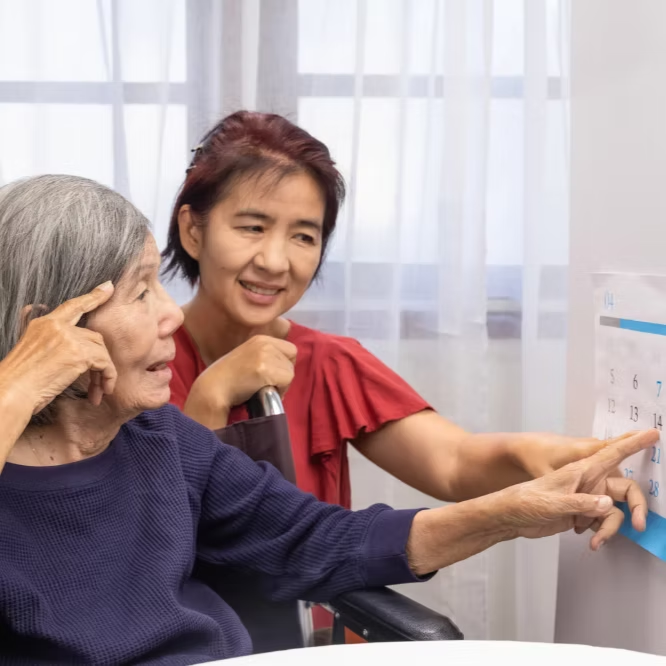
Elderly Cognitive and Self-Care Training

Offer cognitive function and daily living skills training for the elderly to enhance self-care abilities and delay deterioration.